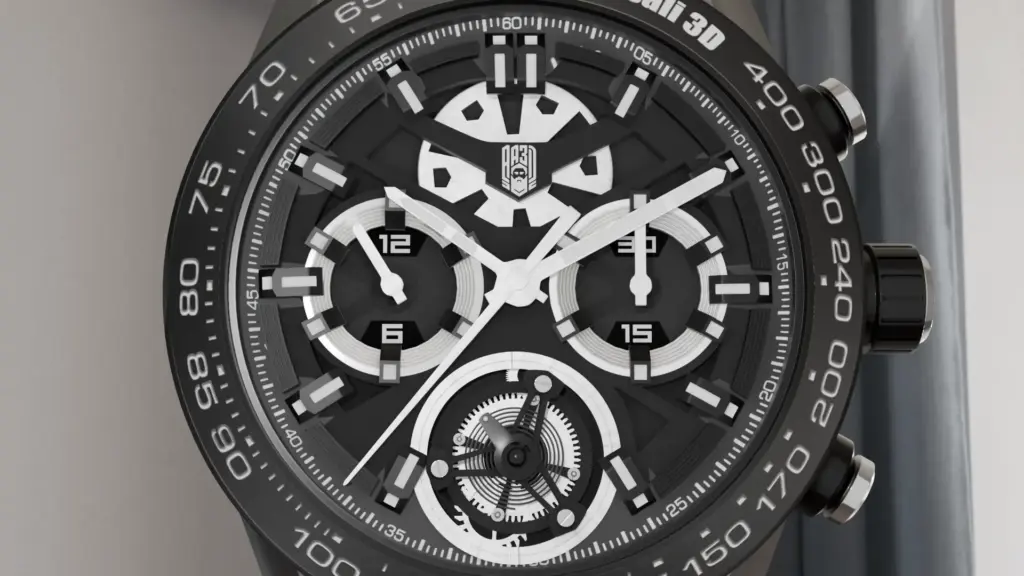
Unlocking Visual Perfection: The Art of Hyper-Realistic 3D Renders
The demand for impeccably detailed visuals is soaring, and achieving stunning results often requires expert photorealistic 3D rendering Egypt. This advanced technique allows businesses and individuals to bring their visions to life with unparalleled accuracy, creating digital assets that are virtually indistinguishable from real-world photographs.
The Foundation of Hyper-Realism: Crafting Believable Digital Worlds
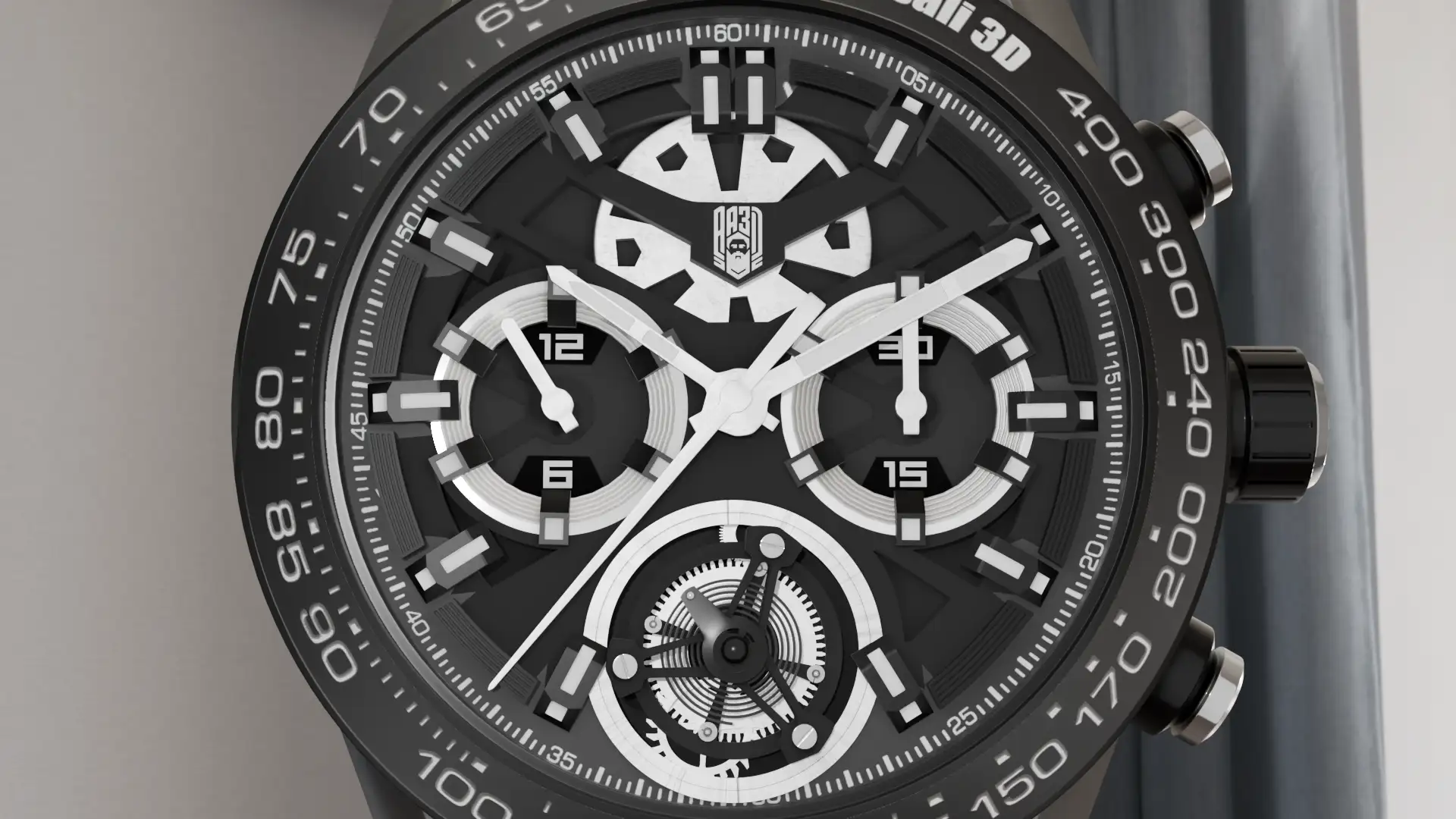
Creating hyper-realistic 3D renders is an intricate process that combines technical skill with artistic vision. It begins with meticulous 3D modeling, where every curve, edge, and surface is sculpted to reflect its real-world counterpart. This foundational step is critical; even the most sophisticated rendering techniques cannot compensate for a poorly constructed model.
Once the model is perfected, the next crucial phase involves texturing and material creation. This is where the magic of realistic CGI truly shines. Artists apply high-resolution textures, often sourced from real-world photographic data, to simulate everything from the grain of wood to the subtle imperfections on a metal surface. Physically Based Rendering (PBR) materials are essential here, as they accurately simulate how light interacts with different surfaces, ensuring that reflections, refractions, and scattering properties are scientifically correct. This attention to detail transforms a basic 3D model into a tactile, believable object.
Lighting is perhaps the most significant determinant of realism. Just as in photography, expert lighting can make or break a render. 3D artists employ a variety of lighting techniques, including global illumination, HDRI (High Dynamic Range Imaging) environments, and carefully placed virtual lights, to mimic natural light conditions. They consider factors like light source intensity, color, shadow softness, and bounce light to create depth, mood, and a sense of presence that elevates the visual fidelity. Without sophisticated lighting, even the best models and textures can appear flat and artificial.
Advanced Techniques for Unrivaled 3D Realism
Pushing the boundaries of 3D realism requires a deep understanding of advanced rendering techniques and an artist’s keen eye. Beyond basic modeling and texturing, techniques like subsurface scattering (SSS) are employed to simulate how light penetrates and scatters within translucent objects like skin, wax, or marble, adding a profound level of organic authenticity. Volumetric rendering, another powerful tool, allows for the creation of realistic atmospheric effects such as fog, smoke, or dust, further enhancing the immersion and depth of a scene. These elements are particularly vital when creating an impactful photorealistic 3D rendering Egypt that captures the unique interplay of light and environment found in the region.
Post-production is the final layer of refinement, analogous to photo editing. This stage involves color correction, depth of field application, motion blur, lens flares, and subtle visual effects that mimic camera optics. These enhancements help to blend the rendered image seamlessly, adding that final polish that makes the digital creation indistinguishable from a photograph. Achieving this level of 3D realism requires not just technical prowess but also a deep artistic sensitivity to composition, color theory, and photographic principles. It is the culmination of countless hours of dedicated work and iterative refinements, striving for perfection in every pixel. This comprehensive approach is what allows us to deliver exceptional photorealistic 3D rendering Egypt for various projects.
The Impact and Future of Photorealistic 3D Rendering Egypt
The applications for hyper-realistic 3D renders are vast and continually expanding. In architecture, they allow developers and clients to visualize unbuilt projects with stunning accuracy, facilitating design decisions and marketing efforts long before construction begins. Product design benefits immensely, enabling companies to showcase prototypes, variations, and functionalities without the expense and time of physical manufacturing. For advertising and marketing, photorealistic imagery creates compelling narratives and showcases products in their best light, capturing consumer attention more effectively than traditional photography alone. The burgeoning demand for high-quality visuals across these sectors fuels the need for expert photorealistic 3D rendering Egypt.
Looking ahead, advancements in real-time rendering, artificial intelligence-driven texturing, and cloud-based rendering solutions promise to make hyper-realistic 3D rendering even more accessible and efficient. These innovations will further blur the lines between the digital and physical worlds, empowering creators to produce visuals with unprecedented speed and fidelity. The emphasis will remain on pushing the boundaries of what’s possible, ensuring that every render tells a story with unparalleled visual impact. The continuous innovation in this field solidifies the position of expert photorealistic 3D rendering Egypt as a cornerstone for future visual communication.
Conclusion
Achieving hyper-realistic 3D renders is a meticulous art form, demanding a blend of technical mastery and creative vision. From precise modeling and PBR texturing to sophisticated lighting and post-production, every step contributes to creating visuals that are virtually indistinguishable from reality. The profound impact of photorealistic 3D rendering Egypt on industries like architecture, product design, and marketing underscores its indispensable value in today’s visually-driven world, promising an exciting future for digital visualization.